
今の日本人と90年前の日本人は同じ人間である。
これは、90年前の本です。
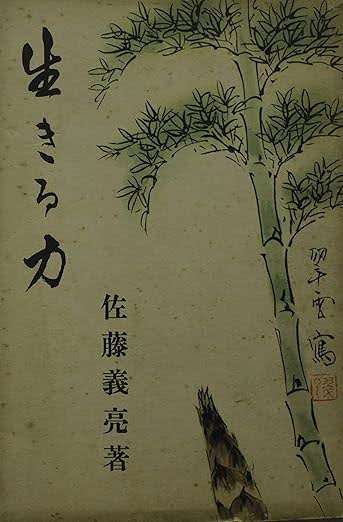
本の題名は、「生きる力」です。
今もある出版社のひとつである新潮社を創業した佐藤義亮氏が書いたものです。
内容は、道徳教科書に出てくるような処世訓話です。
昔の本は、学校に行っていない人も読めるようにルビがついていました。
ですから誰にも読みやすい本となっています。
文字は、右から左に書かれている点が、現在と違います。
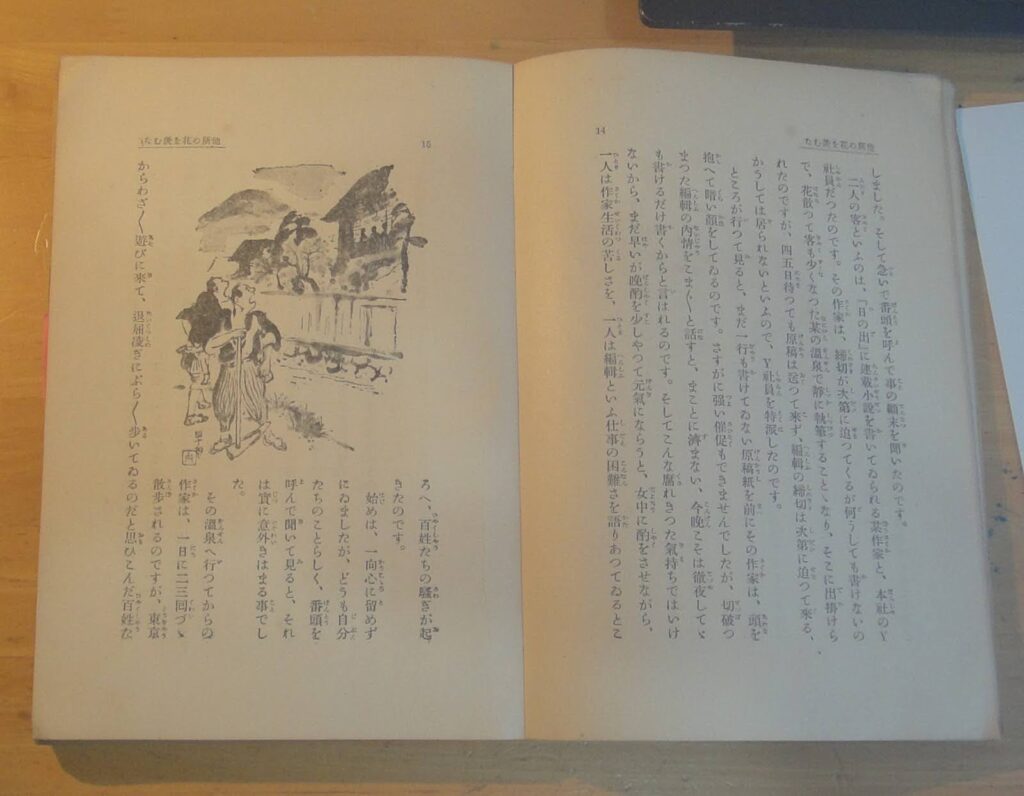
昔の本を読むと、昭和初期の人たちの話し方や人生に対する考え方がわかります。
書いてある処世術は、今の時代でも全く同じく通用します。
例えば一例として、「物には全て代価がある」という節には、こんな話が載っています。
安田財閥の安田善次郎が秘書を連れて田舎に行った時、お茶屋で茶を飲んだ後で、秘書に5銭を支払うように言いました。
また、しばらくしてお茶屋に行ってお茶を飲んだところ、今度は 10銭を払うように言いました。
秘書は、宿に入ってから、聞きました。「同じお茶代なのに、どうして二度目のところには、10銭を支払うように言われたのですか。」
「それは前のところは 出がらしお茶だったが、二度目の所は、新しい茶に入れ替えて淹れてくれた。お前には気づかなかったのかい。」と言われたそうです。
戦争の前の本を読むと人生に対する考え方というのは、今の日本人と90年前の日本人は同じだなあ、と思います。
The Japanese people of today and the Japanese people of 90 years ago are the same people.
This is a book from 90 years ago. The title of the book is “The Power to Live.” It was written by Sato Giryo, the founder of Shinchosha, a publishing company that still exists today. The content is a series of moral tales that you might find in a moral education textbook.
Old books had furigana so that even people who didn’t go to school could read them. This makes them easy to read for anyone.
The text is written from right to left, which is different from today.
Reading old books allows you to understand the way people of the early Showa period spoke and their views on life. The advice for living that it contains is still applicable today.
For example, in the section titled “Everything has a price,” there is the following story:
When Yasuda Zenjiro of the Yasuda zaibatsu took his secretary to the countryside, after they had tea at a tea shop, he asked his secretary to pay 5 sen. A while later, after they had tea at a tea shop, he asked his secretary to pay 10 sen.
After checking into the inn, the secretary asked, “Why did the second time I was asked to pay 10 sen, even though the price for tea was the same?” “The previous place used the second tea, but the second place brewed it with fresh tea. Didn’t you notice?” ,
then the secretary understood.
When I read books from before the war, I realize that Japanese people today have the same outlook on life as Japanese people 90 years ago.
I recommend reading pre-war books from time to time.