
いじめ問題の別解

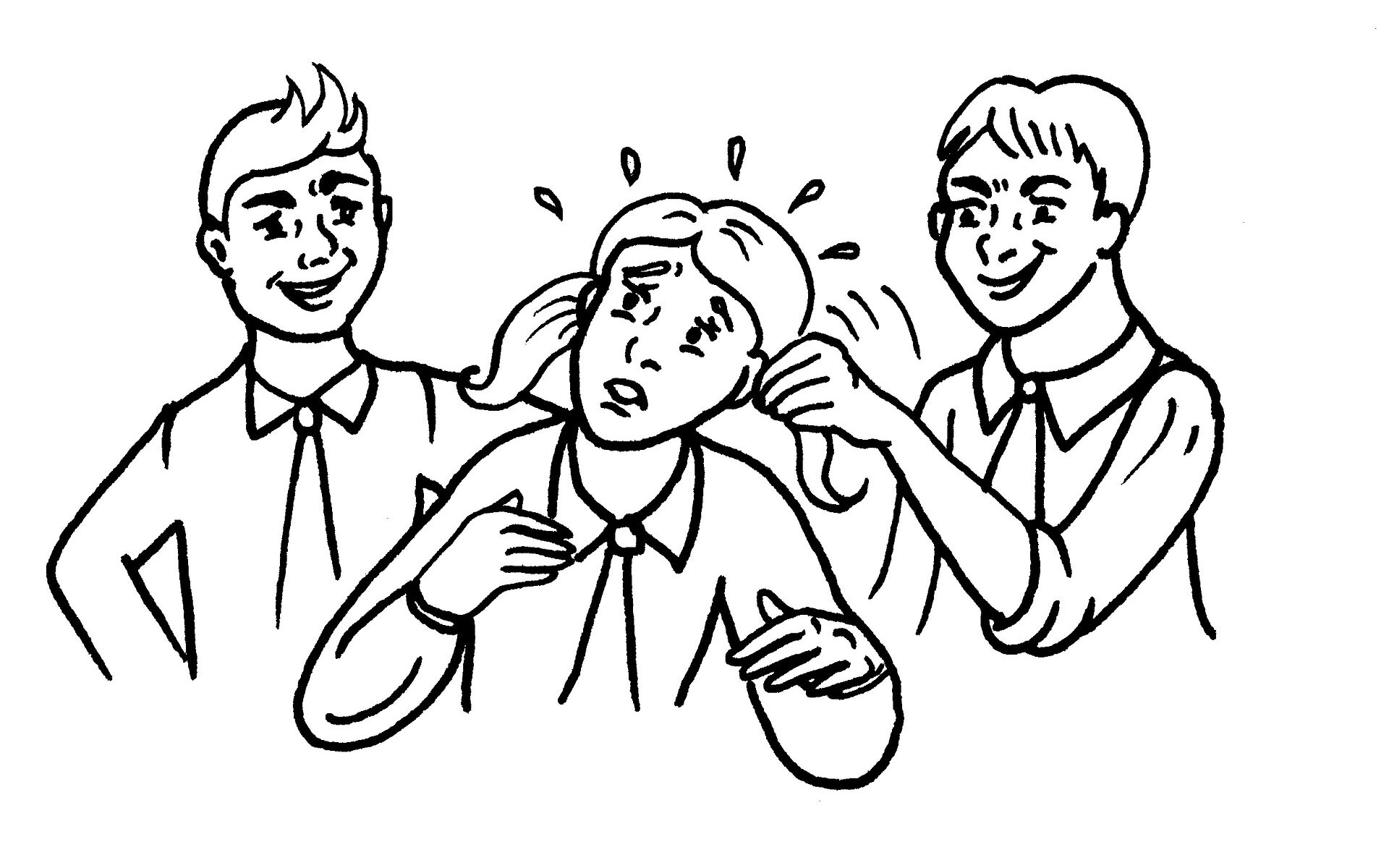
北海道旭川市で2021年、 いじめを受けていた中学2年、広瀬爽彩(さあや)さんが凍死しました。
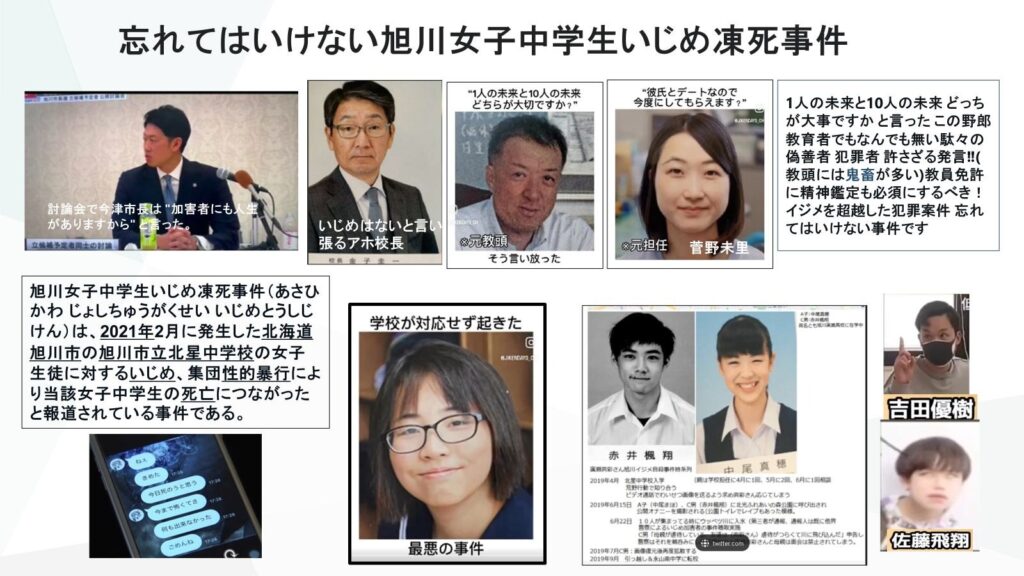
 市長は「加害者にも人生がありますから、」と言いました。学校長は、「いじめは、なかった。」と言いました。教頭は、「一人の未来と10人の未来、どちらが大切ですか。」と言いました。担任の先生は、「彼氏とデートなので今度にしてもらえますか。」と言いました。
 これに対して、私の友人は、「こんなことまで言う市長以下担任までと、一人で戦ってきた被害者の母親の気持ちを思うと切ない。」と嘆いていました。彼は、「もし、自分の娘がそういう目にあってたら、市長、学校長、教師を殴ってやる。」と言っていました。

今行われている解決法は、学校とか先生とかに任せる方法です。
多くの人が、いじめは、学校の責任で解決するべきだと思っているからです。

先生方は、解決が難しいので、いじめにあった生徒を他の学校に転校させています。
多くの親たちは、「このような場合、子供を学校に行かせないようにする。」という対応をすると言っています。

私は、別の解決の方法があると思います。

私は、「子供の対処力をつける。」ことに注意を向けてた方が良いと思う。
例えば、「空手で、喧嘩の方法を教える。」というのは良い方法だと思う。
これなら、負けて傷ついても、命がなくなることはないと思う。

これが、いじめ問題の別の解決法です。

Another Solution to the Bullying Problem


In 2021, Saya Hirose, a second-year junior high school student who had been bullied in Asahikawa, Hokkaido, froze to death.

The mayor responded, “The perpetrator has a life to live, too.” The school principal said, “There was no bullying.” The vice principal asked, “Which is more important: one person’s future or the futures of 10 others?” The homeroom teacher replied, “I have a date with my boyfriend, so can you do it next time?”

In response, my friend lamented, “It’s heartbreaking to think about the feelings of the victim’s mother, who had to fight alone against the mayor and even the homeroom teacher who would say such things.” He said, “If that happened to my daughter, I would punch the mayor, principal, and teachers.”

The current solution is to leave it to the school or teachers.

This is because many people believe that bullying should be the school’s responsibility.
Teachers find it difficult to resolve the issue, so they transfer bullied students to other schools.
Many parents say that in cases like this, they respond by not letting their child go to school.

I think there is another solution.
I think it would be better to focus on developing children’s coping skills.

For example, I think a good idea would be to teach children how to fight using karate.

That way, even if they lose and get hurt, I don’t think their life is lost.

This is another way to solve the problem of bullying.
日本人は変わらない

今の日本人と90年前の日本人は同じ人間である。

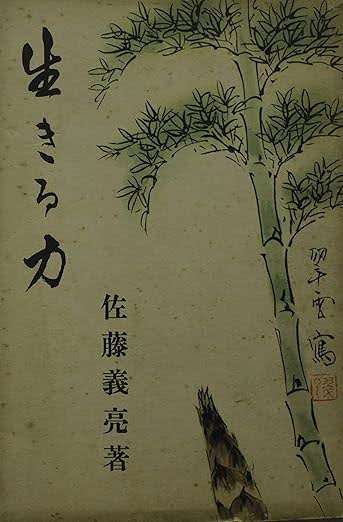
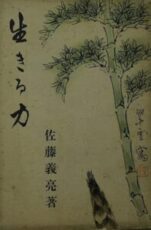
これは、90年前の本です。


本の題名は、「生きる力」です。
今もある出版社のひとつである新潮社を創業した佐藤義亮氏が書いたものです。
内容は、道徳教科書に出てくるような処世訓話です。
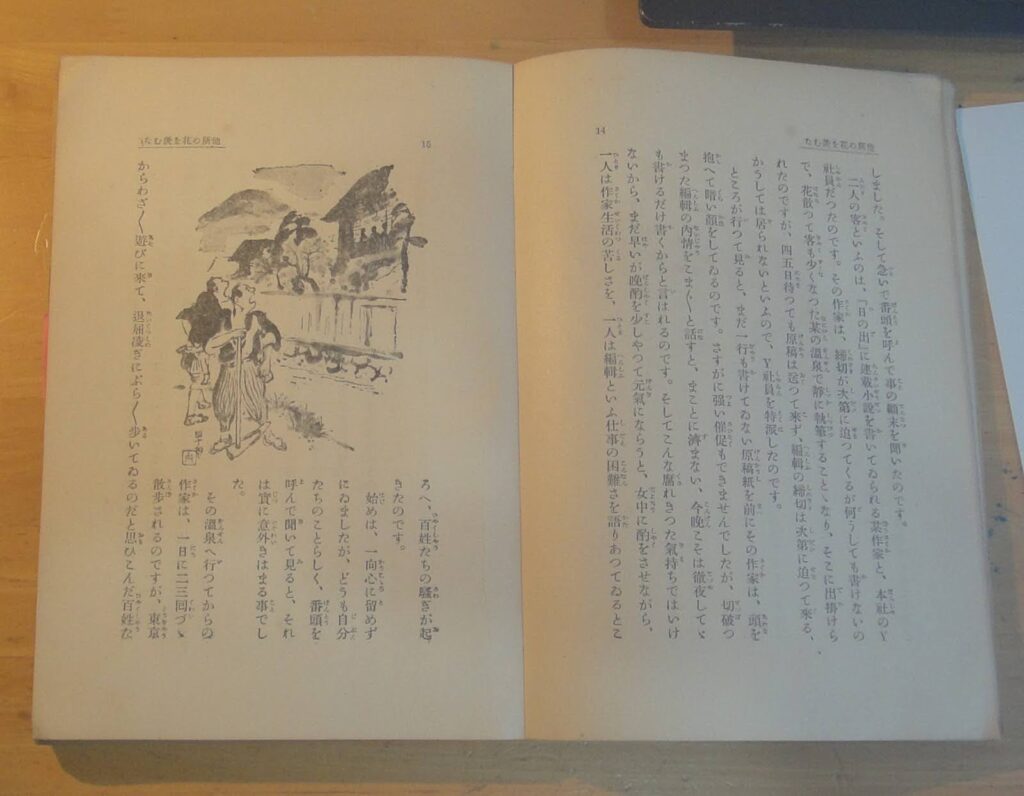
昔の本は、学校に行っていない人も読めるようにルビがついていました。
ですから誰にも読みやすい本となっています。
文字は、右から左に書かれている点が、現在と違います。

昔の本を読むと、昭和初期の人たちの話し方や人生に対する考え方がわかります。
書いてある処世術は、今の時代でも全く同じく通用します。

例えば一例として、「物には全て代価がある」という節には、こんな話が載っています。
安田財閥の安田善次郎が秘書を連れて田舎に行った時、お茶屋で茶を飲んだ後で、秘書に5銭を支払うように言いました。
また、しばらくしてお茶屋に行ってお茶を飲んだところ、今度は 10銭を払うように言いました。
秘書は、宿に入ってから、聞きました。「同じお茶代なのに、どうして二度目のところには、10銭を支払うように言われたのですか。」
「それは前のところは 出がらしお茶だったが、二度目の所は、新しい茶に入れ替えて淹れてくれた。お前には気づかなかったのかい。」と言われたそうです。

戦争の前の本を読むと人生に対する考え方というのは、今の日本人と90年前の日本人は同じだなあ、と思います。

The Japanese people of today and the Japanese people of 90 years ago are the same people.

 This is a book from 90 years ago. The title of the book is “The Power to Live.” It was written by Sato Giryo, the founder of Shinchosha, a publishing company that still exists today. The content is a series of moral tales that you might find in a moral education textbook.
Old books had furigana so that even people who didn’t go to school could read them. This makes them easy to read for anyone.
The text is written from right to left, which is different from today.

Reading old books allows you to understand the way people of the early Showa period spoke and their views on life. The advice for living that it contains is still applicable today.

For example, in the section titled “Everything has a price,” there is the following story:
When Yasuda Zenjiro of the Yasuda zaibatsu took his secretary to the countryside, after they had tea at a tea shop, he asked his secretary to pay 5 sen. A while later, after they had tea at a tea shop, he asked his secretary to pay 10 sen.
After checking into the inn, the secretary asked, “Why did the second time I was asked to pay 10 sen, even though the price for tea was the same?” “The previous place used the second tea, but the second place brewed it with fresh tea. Didn’t you notice?” ,
then the secretary understood.

When I read books from before the war, I realize that Japanese people today have the same outlook on life as Japanese people 90 years ago.

I recommend reading pre-war books from time to time.